


Were I see myself in 10 years

I see myself escaping a gang of triad ninjas and living under a very homey bridge with my house, car, and dog named ripper. I eat fish that I collect near the pond and rest under the shade of my bridge in Oregon.


5 Things I Wish My Camera Knew
- AI Focus and AI Servo are not interchangeable, and your camera wants you to understand that AI Servo is usually the better choice for photographing moving subjects because it continuously tracks focus until the shutter is released.
- Memory cards are not created equal, and your camera wishes you realized that the speed and class of your card can dramatically affect performance, sometimes slowing down your shooting more than the camera itself.
- The LCD screen will lie like a politician, and your camera wants you to know that judging exposure by the screen is unreliable; instead, you should check the histogram for accurate information.
- RAW files should never be left naked, and your camera hopes you understand that RAW images require post-processing adjustments like sharpening and contrast before being converted to JPEG, otherwise they will look flat and unfinished.
- Erase all images and format card do very different things, and your camera wants you to know that formatting a card is a deeper reset that helps maintain card health, while simply erasing images does not fully clear or optimize the memory.


Good and Bad of ai
Good:
- Automates repetitive tasks, increasing efficiency.
- Enables faster data analysis and insights.
- Improves healthcare diagnostics and treatments.
- Personalizes experiences in various industries.
- Creates new job opportunities in AI-related fields.
Bad:
- Job displacement due to automation.
- Potential for misuse in surveillance and weaponry.
- Bias in algorithms leading to unfair outcomes.
- Ethical concerns regarding decision-making autonomy.
- Dependence on technology and reduced human skills.


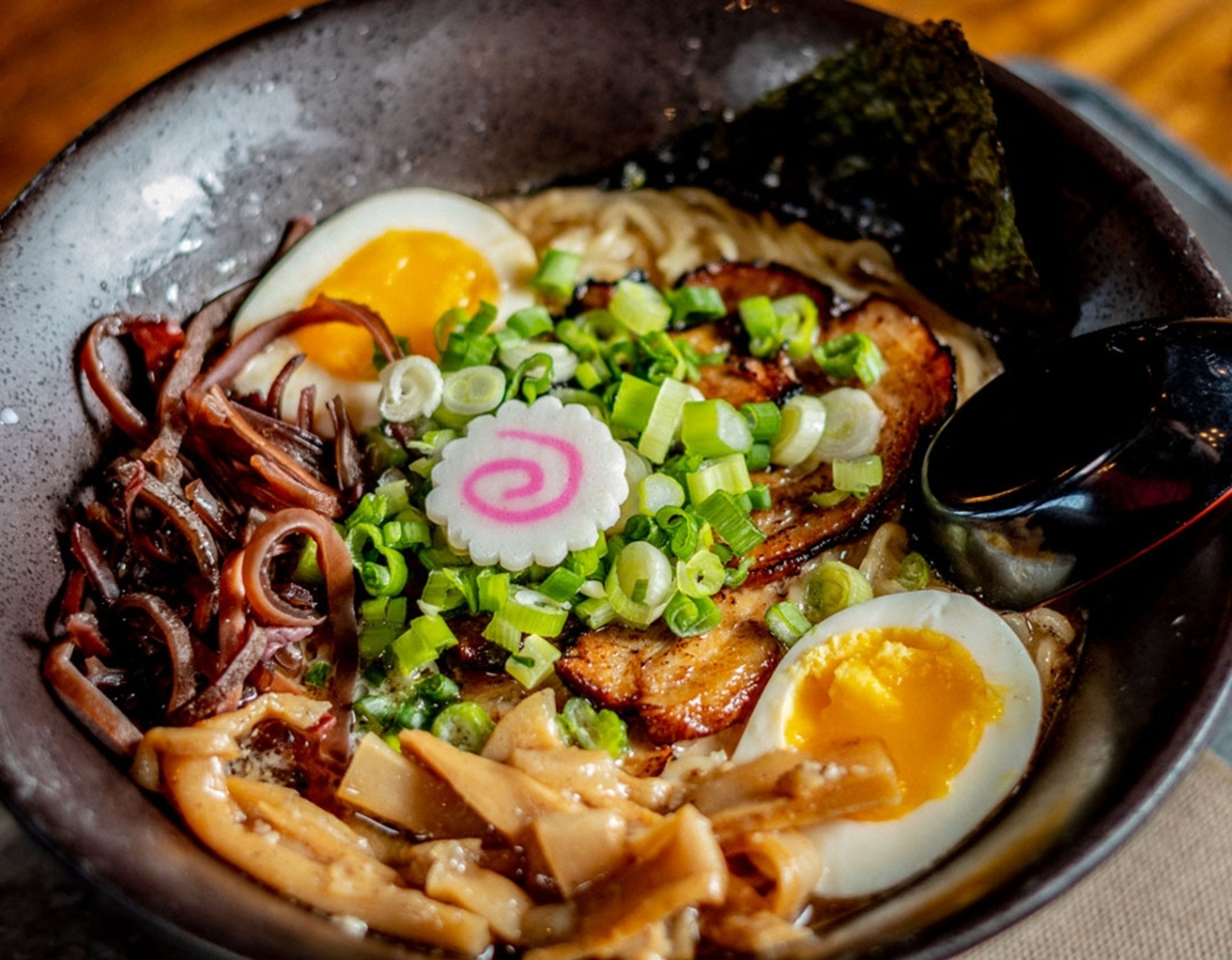
The photo’s lighting probably makes the ramen look incredibly delicious. Bright light could be shining on the broth, making it look rich and flavorful, while shadows might define the noodles and toppings. The way the light hits everything makes you see how good it would taste. The photo’s arrangement likely guides your eye. The photographer may have placed everything just right, making the ramen the main focus. The arrangement of the noodles, egg, and other ingredients, along with a blurred background, probably emphasizes the ramen, making it impossible not to crave. The lighting was likely achieved using a combination of a main light source to highlight the ramen, fill light or reflectors to soften shadows, and potentially a backlight to create depth and visual appeal.

I just dove into the world of food photography, and it’s so much fun! I read an article about the basics and picked up some great advice. First off, natural light is your best friend: find a window for soft, beautiful lighting. Then, I learned that how you set up the shot is important; arranging food nicely, maybe using the rule of thirds, grabs your attention. Props and the background help tell a story and make the picture look better. Keep it simple, don’t overcrowd the image and make the food the star. Patience is key! Play with angles, like from above or at an angle, to make it interesting. Use a reflector to help the lighting. Remember to use a clean plate to showcase your food. Finally, editing the picture afterwards, to make the colors pop, is super important for a mouthwatering photo.

Culture Photo
The article defines cultural photography as a practice rooted in understanding how people live, work, and make meaning. Rather than fitting neatly into genres like documentary or street photography, it draws from cultural anthropology to examine both visible behaviors and the underlying beliefs that shape them.
Marelli’s most compelling point is that cultural photography requires long-term immersion. His years spent in construction and Zen practice demonstrate how deep participation allows a photographer to create images informed by genuine insight rather than brief observation.
Overall, the article argues that culture is not limited to distant or unfamiliar places but exists in everyday environments. This perspective encourages photographers to approach their subjects with patience, curiosity, and a commitment to understanding the worlds they enter.


The article explains how artificial intelligence is becoming a major part of modern photography, both in cameras and editing software. AI now helps with tasks like focusing on subjects, fixing exposure, reducing noise, sharpening images, and even replacing skies or enhancing resolution. These tools make it easier for photographers to improve image quality quickly. It also highlights how AI can speed up a photographer’s workflow. Programs can sort large batches of photos, suggest edits, or automate repetitive tasks. AI tools like ChatGPT can help plan shoots, create ideas, or answer technical questions, saving photographers time and effort. In my opinion, AI is most effective when used as a helpful assistant rather than a replacement for creativity. It can handle the boring or time‑consuming parts of photography, allowing photographers to focus on artistic choices. As long as photographers stay honest about when AI is used and keep control over their style, AI can be a powerful tool that supports—not replaces—their creative vision.
Business in photography:
The articles emphasize that running a successful photography business requires more than creative skill—it requires understanding value, knowing your financial numbers, and building a clear brand. Professional photographers must identify their niche, understand who their ideal clients are, and communicate how their work solves a problem or fulfills a need. The PPA article stresses the importance of tracking expenses, setting profit goals, and pricing based on the true cost of doing business rather than guessing. Together, the readings highlight that success comes from combining artistry with strong business systems. +To grow a photography business, effective marketing would include building a strong online presence, posting consistent work on social media, networking with local businesses, and encouraging client referrals. Clear branding—showing what makes your style unique—helps attract the right clients. Pricing should be based on the cost of equipment, time, editing, travel, and desired profit. For example, instead of charging low flat rates, I would calculate session fees and product prices to ensure sustainability and profitability. A solid contract is essential for protecting both the photographer and the client. It should include the scope of work, pricing and payment schedule, turnaround time, cancellation policies, usage rights, model releases, and what happens in emergencies. These business practices—marketing strategically, pricing confidently, and using clear contracts—apply not only to photography but to entrepreneurs in any industry who want to build a stable, professional, and profitable business.
grad cover


